Install Apache Server
https://www.geeksforgeeks.org/install-apache-web-server-in-linux/
If you're looking to install Apache on Linux, this guide will walk you through the steps required for different distributions, including Ubuntu, Fedora, and RHEL. The Apache web server is a popular choice for hosting websites and applications, known for its reliability and flexibility. Whether you're new to how to install an Apache server or need specific instructions for Apache installation on Fedora or RHEL, we have you covered with step-by-step instructions for each platform.
How to Install Apache Web Server in Linux?
Step 1: Check your Linux distribution
Use the following command to check which Linux distribution you are using.

Checking Linux distribution (Fedora)
Step 2: Update Your System
1. On Ubuntu/Debian-based systems:
2. On Fedora-based systems:
3. On RHEL-based systems:

Updating system (fedora)
Step 3: Install Apache Web Server
1. On Ubuntu/Debian-based systems:
2. On Fedora-based systems:
3. On RHEL-based systems:
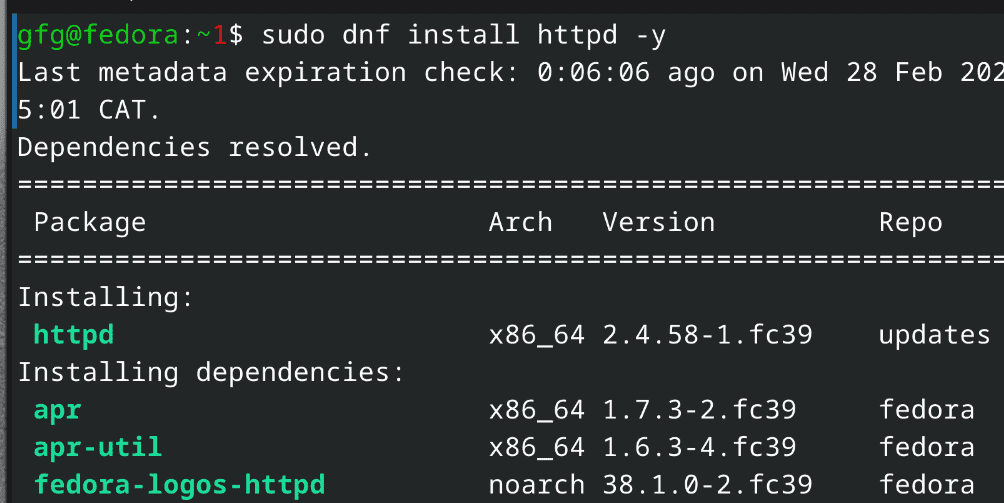
Installing Apache web server
Step 4: Enable the Services
1. On Ubuntu/Debian-based systems:
2. On Fedora-based systems:
3. On RHEL-based systems:
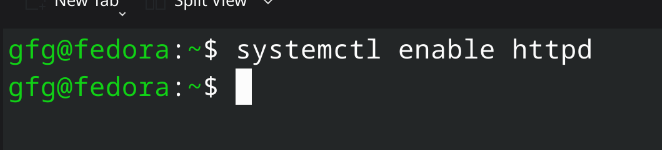
Starting services for the Apache Web Server
Step 5: Test the Server by Hosting a Simple Website
First, we will create a directory for our test website using the following command.
Now we will add index.html for our test website along with some testing code using the following command.
Now we will add the configuration file using the following command
Once we create the required config file and test the website, we will need to own the Apache website directory for permissions.
We will use the chown and chmod commands as follows
Now you can see the locally hosted website on your localhost.
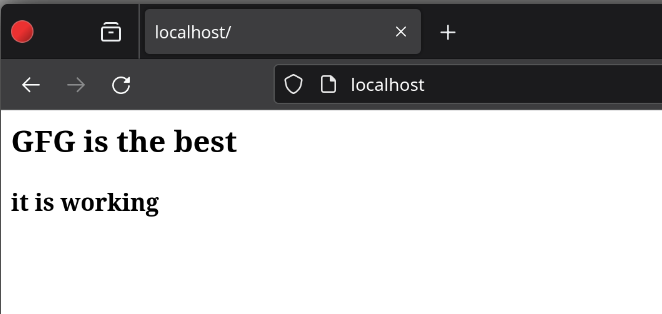
Testing the website on the local server
If the above-mentioned steps are performed correctly, Apache Web Server will run successfully! However, If it doesn't work, then you can uninstall Apache Web Server and start the installation again.
How to Uninstall Apache Web Server?
1. On Ubuntu/Debian-based systems
2. On Fedora-based systems
3. On RHEL-based systems
Hence we have successfully uninstalled Apache Web Server in Linux!
Conclusion
Installing the Apache Web Server on Linux systems like Ubuntu, Fedora, and RHEL is an easy task if you adhere to the proper procedures. After installing Apache, you can utilize its robust capabilities to efficiently host and control your websites. It's essential to perform routine upkeep and updates to maintain the security and efficiency of your Apache server. This article equips you with the necessary understanding to install and configure Apache on your Linux machine, making it simpler to deploy and manage web applications.